How to Choose Your Helicopter Ride Over Niagara Falls
Understanding the Experience
A helicopter flight over Niagara Falls is one of the most memorable ways to see the waterfalls. The view from above gives you a perspective that no boat tour or observation deck can match. You see the full arc of the Horseshoe Falls, the mist rising in a constant plume, and the green-blue water churning below. But not all helicopter tours offer the same experience. Knowing what to look for helps you pick the right flight for your trip.
Step 1: Check the Flight Route and Duration
The first thing to consider is where the helicopter actually flies. Some tours stick to the American side, while others cross into Canadian airspace. A good route will take you over the Niagara Gorge, past the American Falls, and then hover near the Horseshoe Falls so you get a head-on view. Longer flights often include a loop over the Whirlpool Rapids or the surrounding vineyards. Shorter flights may only give you a quick pass. Check the advertised flight time, but remember that boarding, taxi, and landing can eat into that number. Look for tours that give a clear breakdown of actual air time versus total time at the heliport.
Step 2: Decide on Window Seats and Seating Arrangement
Helicopter seating varies. Some helicopters have three rows of seats, with the middle seat having a less direct view out the window. Others have two-seat rows where everyone gets a window. If you are traveling with a partner or a small group, you might want to request specific seating. The best views are usually on the side that faces the falls during the flight, which depends on the direction the helicopter approaches. Ask the tour operator which side offers the best view and whether you can guarantee a window seat. A few operators let you book a private flight where you control the seating, which is worth considering if photography is your main goal.
Step 3: Look at the Helicopter Type and Safety Record
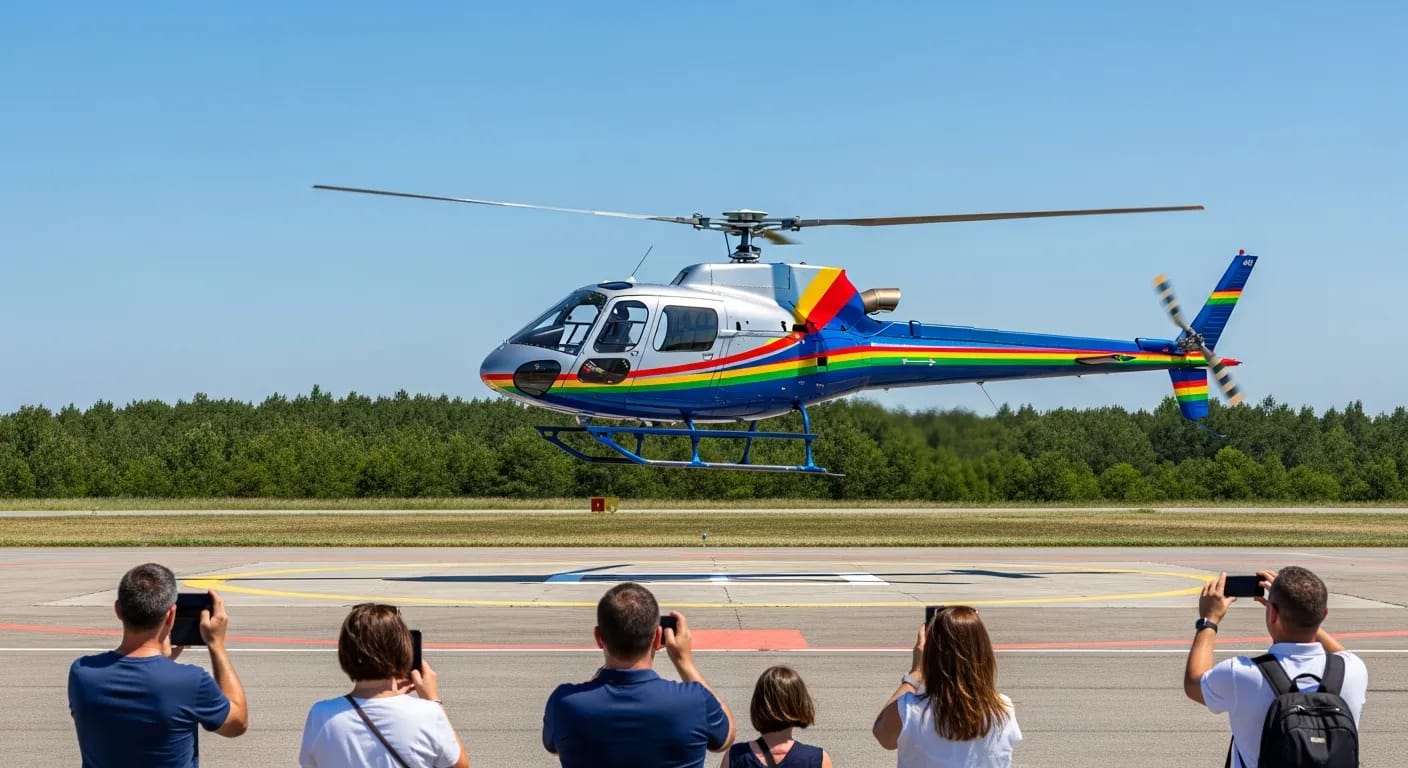
Not all helicopters are the same. The most common models for sightseeing are the Robinson R44 and the Bell 206. The R44 is a four-seat helicopter with large windows, while the Bell 206 is a five-seat turbine model that tends to be quieter and smoother. Neither is inherently better, but the turbine engine in the Bell offers more power and a quieter ride. Safety is the real priority. Check that the operator holds a valid air operator certificate and that their pilots have the required flight hours. You can often find this information on the company website or by calling. A reputable operator will be happy to discuss their maintenance schedule and pilot training. You are not asking for trade secrets; you are confirming that they take safety seriously.
Step 4: Consider the Time of Day and Season
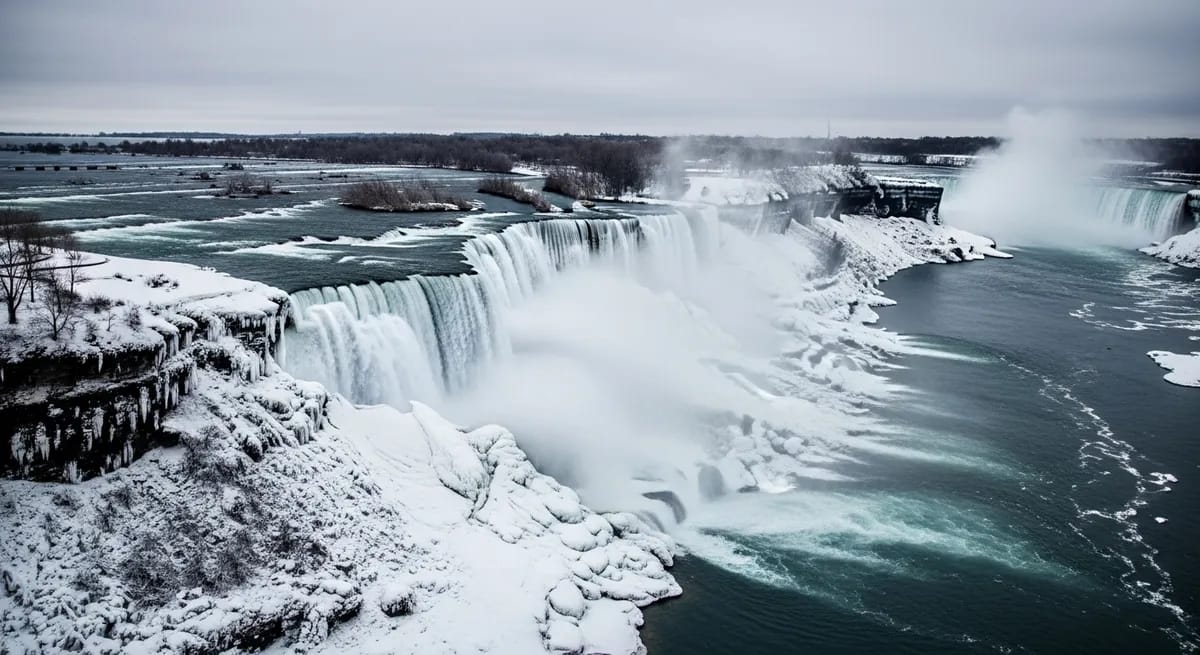
The time of year affects both visibility and comfort. Summer offers long daylight hours and warmer temperatures, but the mist from the falls can be thick in the afternoon, limiting your view. Spring and fall have fewer crowds and often clearer air, but the temperature at altitude can be chilly. Winter flights give you a stark, frozen landscape, but the helicopter may have de-icing restrictions that affect scheduling. Early morning flights tend to have less turbulence and better light for photography. Late afternoon flights catch the golden hour, which can make the water glow. Sunset flights are popular, but they book up fast. If you want a specific time, book well in advance.
Step 5: Understand the Booking and Cancellation Policy
Weather is the biggest variable in helicopter tours. Fog, high winds, or low clouds can ground flights at any time. A good operator will have a clear cancellation policy that lets you reschedule or get a refund if the weather turns bad. Read the fine print before you pay. Some companies offer a full refund if they cancel the flight, while others only give a credit toward a future booking. If you are on a tight schedule, consider travel insurance that covers weather-related cancellations. Also check whether the tour requires a minimum number of passengers to run. If you book a certain time and only two people show up, the operator might cancel or ask you to join a later flight. Knowing this in advance saves frustration.
Step 6: Compare Inclusions and Extras
Some helicopter packages include extras like a pre-flight briefing, a souvenir photo, or a short video. Others offer a champagne toast after landing. These additions can make the experience feel more special, but they also add to the cost. Decide what matters to you. If you only care about the flight itself, a basic package may be enough. If you want a keepsake, look for a tour that includes a photo taken from the helicopter or a video of your flight. A few operators offer a combination ticket that includes a boat tour or a visit to the observation deck. That can be a good value if you want both perspectives, but make sure the timing works so you are not rushing between activities.
Step 7: Read Recent Reviews and Ask Specific Questions
Online reviews can tell you a lot about the actual experience. Look for recent reviews that mention the pilot, the aircraft condition, and the clarity of the views. Pay attention to comments about the booking process and customer service. If multiple reviews mention that the flight was cut short or that the windows were dirty, take note. You can also call the operator directly. Ask about the type of helicopter they use, the typical flight route, and what they do in case of bad weather. A helpful, transparent answer is a good sign. A vague or rushed answer might indicate that you should look elsewhere. Do not rely solely on the website; a phone call often reveals the real level of service.
Step 8: Plan for Accessibility and Comfort
Helicopters have limited space. If you have mobility issues, check whether the operator can accommodate you. Most helicopters require you to step up onto a skid or a small platform, and the seats are close together. Some operators have a dedicated staff member to assist with boarding. Also consider motion sickness. The flight over the falls can involve some gentle turns, but it is usually smooth. If you are prone to motion sickness, take a preventative measure an hour before the flight. The helicopter cabin can be warm, especially in summer, so dress in layers. Earplugs or noise-canceling headphones are a good idea, as helicopter cabins are loud. Most operators provide headsets with a microphone so you can hear the pilot, but check in advance.
Step 9: Evaluate the Value for Your Budget
Price is always a factor, but the cheapest option is not always the best value. A very low price might mean a shorter flight, an older helicopter, or a less experienced pilot. Conversely, a high price does not guarantee a premium experience. Compare the flight duration, the aircraft type, and what is included. A 12-minute flight in a well-maintained helicopter with a knowledgeable pilot can be a better experience than a 15-minute flight in a cramped, noisy machine. If you are on a tight budget, look for shoulder-season discounts or weekday rates. Some operators offer a lower price for the last flight of the day, which can be a good deal if the weather cooperates.
Step 10: Book Directly and Confirm Your Reservation
Once you have chosen a tour, book directly through the operator's website or over the phone. Third-party booking sites sometimes add fees or have less flexible cancellation policies. After you book, confirm the reservation a day or two before your flight. Check the weather forecast and make sure the heliport is open. Arrive at least 15 minutes early to check in and go through a brief safety briefing. Bring your camera, but leave large bags behind, as space in the helicopter is limited. A small backpack or a shoulder bag is usually fine.
Throughout the process, remember that the goal is to enjoy the view and create a lasting memory. A company like Niagara Falls Helicopter Tours can help you see the falls in a way that few other experiences allow. The key is to do your homework so that the day of your flight is smooth and stress-free. Once you are in the air, the noise and the rush of air fade, and you are left with the sight of the water plunging over the edge. That is the moment that makes the planning worthwhile.

Choosing the right helicopter ride over Niagara Falls comes down to knowing what you want and asking the right questions. Focus on the route, the seating, the aircraft, and the operator's policies. Read reviews, compare inclusions, and book directly. With a little preparation, you will find a tour that fits your expectations and your budget. And when you look down at the mist and the rainbows, you will know you made the right choice.
If you are still unsure, remember that a helicopter tour is a premium experience. It is worth investing time in research. A company such as Niagara Falls Helicopter Tours offers a range of options that can suit different preferences. The important thing is to pick a tour that matches your priorities, whether that is the longest flight, the best window seat, or the most flexible cancellation policy. The falls will be there, waiting for you to see them from above.